
Introduction
Table of Contents
Have you ever wondered why potato wedges at your favorite restaurant taste so much better than the ones you make at home? The secret isn’t just in the cooking, it’s in how a professional frozen potato wedges manufacturer prepares them long before they reach the kitchen.
In this guide, you’ll discover exactly how these manufacturers turn simple potatoes into the crispy, golden wedges that keep customers coming back. Whether you’re a restaurant owner looking for a supplier or just curious about the process, this article will walk you through every step in simple, easy-to-understand terms.
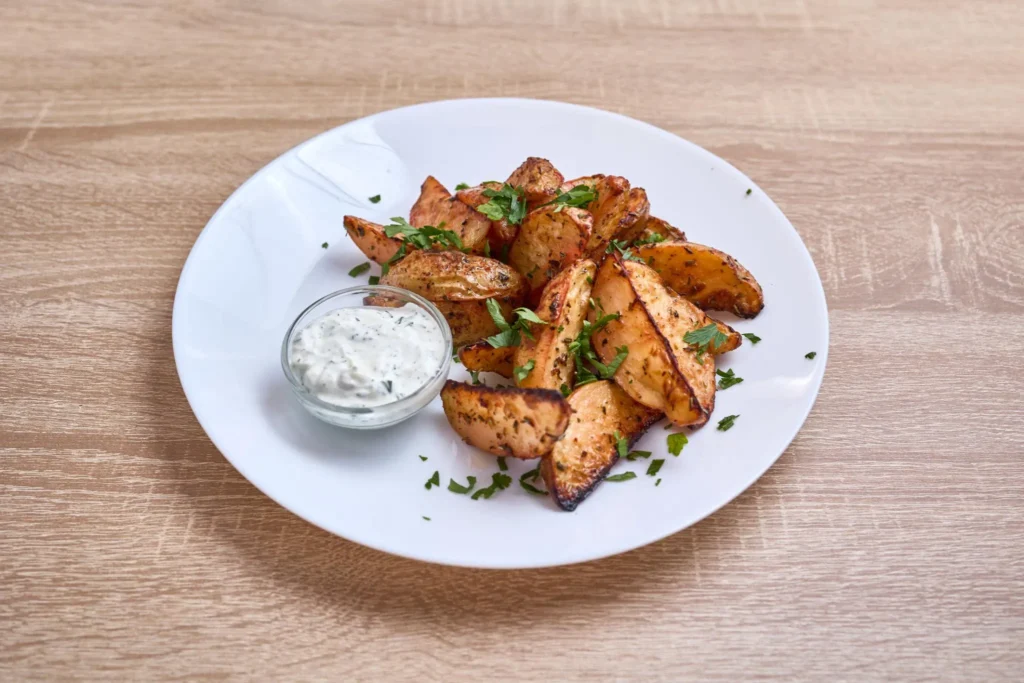
What Makes a Good Frozen Potato Wedges Manufacturer?
Not all frozen potato wedges manufacturers are created equal. The best ones follow strict quality standards that ensure every wedge tastes the same, whether it’s the first batch or the thousandth.
Restaurant chains trust professional manufacturers because they deliver consistency. When you serve food to customers, you can’t have wedges that are perfect one day and soggy the next. A reliable frozen potato wedges manufacturer uses tested recipes and processes that work every single time.
The big difference between freezing potatoes at home and professional manufacturing is the technology and expertise involved. Home freezers work slowly, which creates large ice crystals that damage the potato’s texture. Professional manufacturers use special equipment that freezes wedges in minutes, locking in flavor and texture.
Step 1: Selecting the Right Potatoes
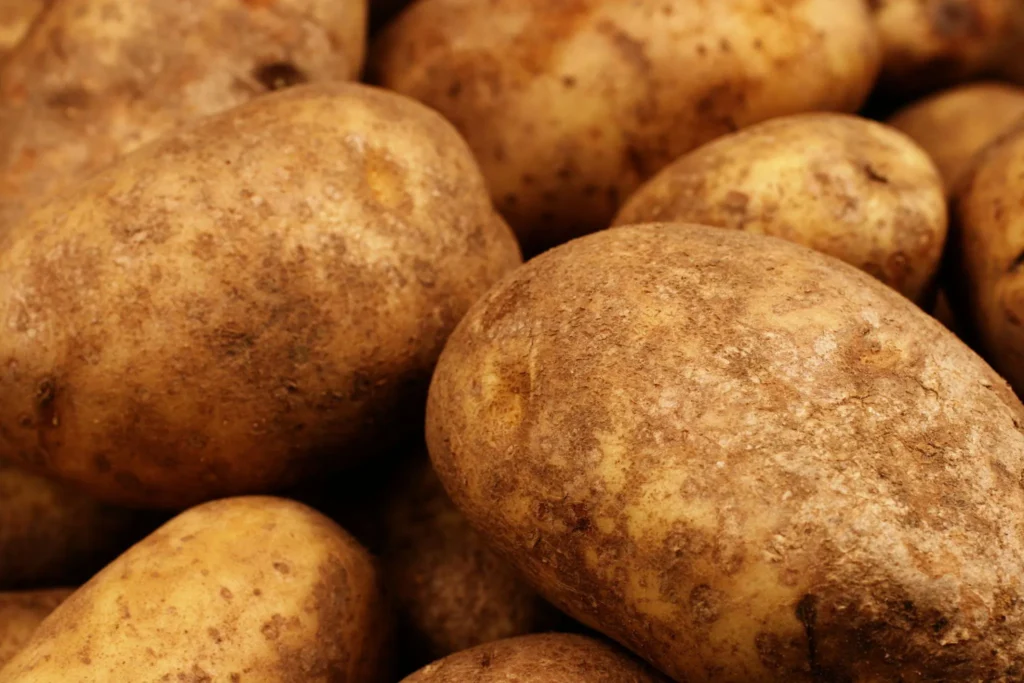
Everything starts with choosing the right potatoes. A quality frozen potato wedges manufacturer doesn’t use just any potato from the market. They select specific varieties that hold up well during freezing and cooking.
Russet potatoes are the most popular choice because they have high starch content and low moisture. This combination creates that fluffy inside and crispy outside that makes perfect wedges. Some manufacturers also use Yukon Gold or other varieties depending on the final product they want to create.
The potatoes are tested for starch levels, sugar content, and moisture before processing begins. Too much sugar causes wedges to brown too quickly. Too much moisture makes them soggy. Getting this balance right is crucial.
Manufacturers also consider seasons when sourcing potatoes. Potatoes harvested at different times of the year have different characteristics, so experienced manufacturers adjust their processes accordingly.
Step 2: Washing and Cutting Process
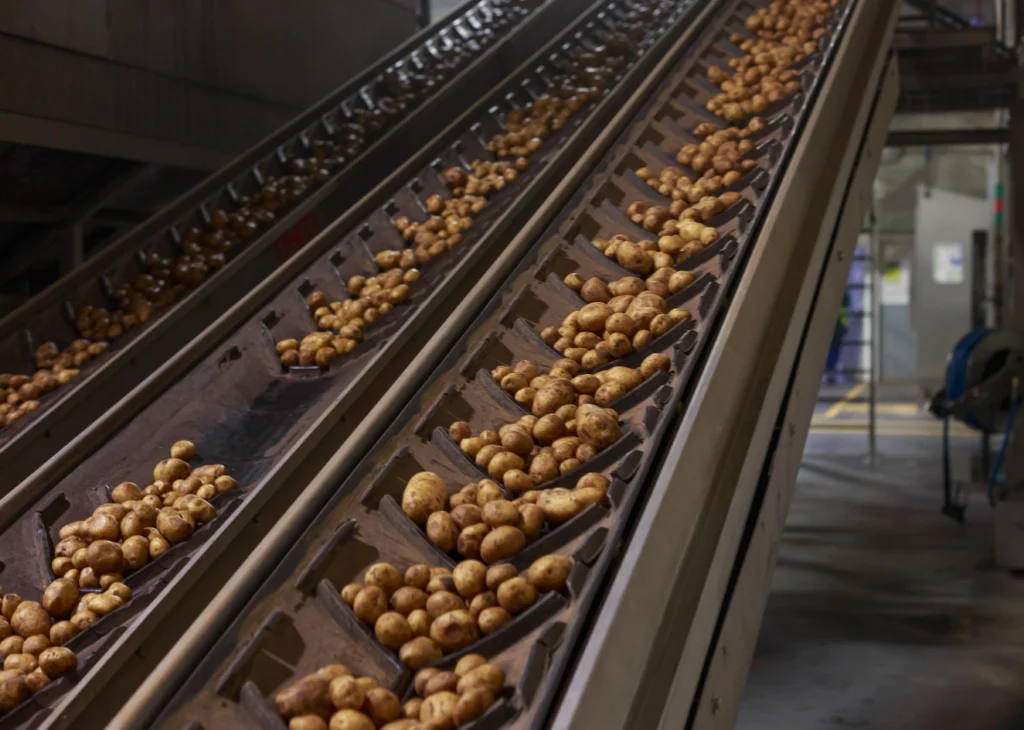
Once the right potatoes arrive at the facility, the first step is thorough washing. Industrial washing systems remove all dirt, stones, and debris using water jets and rotating brushes. This ensures the final product is clean and safe to eat.
After washing, potatoes move to cutting machines. These aren’t ordinary kitchen knives they’re industrial cutters designed to slice hundreds of potatoes per minute with perfect accuracy. Every wedge is cut to the same size and shape.
Why does uniform size matter so much? Because when wedges are the same size, they cook at the same rate. You won’t have some pieces burned while others are still raw. This consistency is what separates a professional frozen potato wedges manufacturer from amateur production.
Quality control inspectors watch the cutting process constantly. Any wedges that are too small, too large, or oddly shaped are removed and sent back for reprocessing.
Step 3: Pre-Treatment and Blanching
After cutting, wedges go through a process called blanching. This means they’re briefly dipped in hot water or steam for a few minutes.
Blanching serves several important purposes. First, it stops enzymes in the potato that would cause browning and off-flavors during storage. Second, it partially cooks the potato, which reduces the final cooking time in restaurants. Third, it helps remove excess starch from the surface.
Professional frozen potato wedges manufacturers control the blanching temperature and time very precisely. Too little blanching and the wedges will turn brown in the freezer. Too much and they become mushy.
During this step, manufacturers also ensure that important nutrients like vitamin C and potassium are preserved as much as possible. The goal is to maintain both quality and nutritional value.
Step 4: Coating and Seasoning
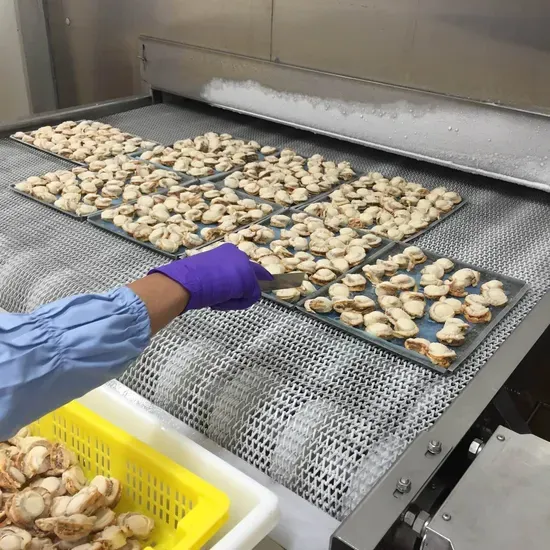
This step is what creates that restaurant-quality crunch. After blanching and drying, many manufacturers apply a special coating to the wedges. This coating might be a light batter or a dry mixture that helps create extra crispiness when cooked.
The coating acts as a barrier that keeps moisture inside the potato while allowing the outside to get perfectly crispy. It’s the same principle as breading, but much lighter.
Seasoning is added at this stage too. A good frozen potato wedges manufacturer knows exactly how much salt, pepper, and other spices to add so the flavor is noticeable but not overwhelming. Some manufacturers create custom seasoning blends for specific restaurant clients.
The coating and seasoning must stick evenly to every wedge. Industrial tumbling drums gently rotate the wedges, ensuring complete and uniform coverage.
Step 5: Par-Frying or Pre-Cooking
Most high-quality frozen wedges are par-fried before freezing. Par-frying means the wedges are partially cooked in hot oil, usually for just a few minutes. They’re not fully cooked, but they’re well on their way.
This step is crucial for several reasons. Par-frying creates that initial golden color and starts developing the crispy texture. It also cooks the potato enough that restaurants only need to finish cooking them for a few minutes instead of starting from raw.
Professional frozen potato wedges manufacturers use high-quality oils heated to precise temperatures, typically between 350-375°F. The oil type matters—most use vegetable or canola oil because they don’t add unwanted flavors and can handle high heat.
After par-frying, excess oil is removed using special equipment. This keeps the wedges from being too greasy while still maintaining that fried flavor customers love.
Step 6: Freezing Technology
Now comes the most important step that separates professional manufacturers from home operations: freezing. The method used is called IQF, which stands for Individual Quick Freezing.
In IQF systems, each wedge is frozen individually in a blast freezer where temperatures drop to -40°F or lower. The wedges are spread out on a conveyor belt and hit with extremely cold air from all directions. This freezes each wedge solid in just 10-15 minutes.
Why is speed so important? When food freezes slowly, large ice crystals form inside the cells. These crystals are like tiny knives that damage the potato’s structure. When you cook slow-frozen wedges, they become mushy because the cell walls are broken.
Fast freezing creates microscopic ice crystals that don’t damage the potato’s texture. When cooked, IQF wedges taste almost as good as fresh ones. This technology is what allows a frozen potato wedges manufacturer to deliver restaurant-quality products.
Step 7: Packaging and Storage
After freezing, wedges move quickly to packaging areas that are kept extremely cold. The packaging materials are specially designed to protect against freezer burn and moisture loss.
Most manufacturers use thick plastic bags with special barriers that prevent air and moisture from getting in. The packages are sealed tightly, often with nitrogen flushing to remove oxygen that could cause quality loss.
Clear labeling is essential. Every package shows the production date, best-by date, storage instructions, and cooking directions. Reputable frozen potato wedges manufacturers also include nutritional information and ingredient lists.
The frozen wedges must stay at 0°F or below during storage and shipping. Temperature is monitored constantly to ensure the cold chain is never broken from factory to restaurant freezer.
Quality Control and Food Safety

Throughout the entire process, quality control is happening at every stage. Professional manufacturers test samples from each batch to ensure they meet strict standards for size, color, texture, and taste.
Food safety is taken very seriously. Reputable frozen potato wedges manufacturers hold certifications like HACCP (Hazard Analysis and Critical Control Points), ISO, and FDA approval. These certifications mean they follow strict protocols to prevent contamination and ensure safety.
Third-party auditors regularly inspect facilities to verify that standards are being maintained. These surprise inspections check everything from ingredient quality to employee hygiene to equipment cleanliness.
Consistency testing ensures that batch 1,000 tastes exactly like batch 1. This reliability is what restaurants depend on to serve their customers the same great product every time.
What to Look for When Choosing a Frozen Potato Wedges Manufacturer
If you’re a restaurant owner or food service operator looking for a supplier, here’s what matters most:
Certifications are your first clue about quality. Look for manufacturers with current food safety certifications and quality management systems. Don’t be afraid to ask for proof of these credentials.
Production capacity matters if you’re a growing business. Make sure your frozen potato wedges manufacturer can scale up with you. Ask about their minimum and maximum order quantities.
Customization options give you an edge. Some manufacturers can create custom seasoning blends, unique cuts, or special coatings just for your restaurant. This helps you stand out from competitors.
Price is important, but it shouldn’t be your only consideration. The cheapest option often means corners are being cut somewhere maybe in potato quality, processing standards, or food safety. Balance cost with quality.
Benefits of Partnering with Professional Manufacturers
Working with a quality frozen potato wedges manufacturer saves restaurants money in multiple ways. Labor costs drop because staff doesn’t need to spend time washing, cutting, and preparing potatoes. Waste decreases because every wedge is usable, no odd pieces or scraps.
Consistency across multiple restaurant locations becomes easy. Whether you have two locations or two hundred, every customer gets the same great wedges. This builds brand loyalty and trust.
Menu flexibility improves because frozen wedges can be cooked quickly from frozen. You can offer them as sides, appetizers, or loaded options without complex prep work.
Conclusion
Understanding how a frozen potato wedges manufacturer produces restaurant-quality products reveals why these suppliers are so valuable to the food service industry. From selecting the perfect potatoes to using advanced freezing technology, every step is designed to deliver consistency, quality, and convenience.
The next time you enjoy crispy, golden wedges at a restaurant, you’ll know the expertise and technology that went into creating them. For restaurant owners, choosing the right manufacturer means partnering with experts who understand that quality matters.
Farmcut uses cutting-edge IQF technology and rigorous quality control to deliver perfectly crispy frozen potato wedges every time. Our certifications, custom seasoning options, and reliable supply chain make us the trusted partner for restaurants nationwide.